



Electric vehicles (EVs) are transforming how people travel and where they stop. As EV adoption accelerates nationwide, convenience stores (c-stores) are uniquely positioned to benefit from this shift by offering EV charging — turning what used to be “fuel stops” into destinations where customers spend more time and money. Understanding 2026 EV charging trends today can help c-store managers plan strategically, future-proof their sites, and capitalize on new revenue opportunities in the rapidly evolving EV ecosystem.
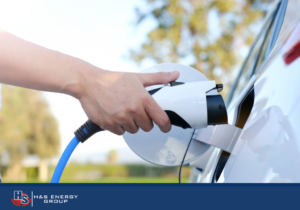 EV Adoption Is Scaling Fast
By 2026, EVs are expected to represent a significantly larger share of all vehicles on the road. Continued advances in battery technology and decreasing costs have made EVs more accessible to a broader range of drivers, increasing the number of EVs traveling both locally and on longer routes.
For c-store operators, this means more EV drivers looking for convenient, reliable charging options. As drivers become more accustomed to electric mobility, they’re also developing expectations: charging should be available where they eat, shop, and take breaks — not just at dedicated stations along highways.
Charging Speed Is Becoming a Competitive Advantage
One of the most critical 2026 EV charging trends is the shift toward faster charging speeds and a mix of technologies to serve different customer needs.
- Level 2 Chargers will continue to be valuable at c-stores where customers might spend 30 minutes or more inside the store. These are ideal for relaxed stops — grabbing coffee, food, or browsing aisles while the car tops off.
- DC Fast Chargers are becoming increasingly important. These stations can deliver significant charging in 20–40 minutes, ideal for drivers on the go who want a quick turnaround. Fast charging reduces dwell time while still giving customers enough time to make in-store purchases.
- Ultra-Fast Charging (350 kW+) is becoming more common by 2026, shrinking charging times even further and making c-store stops viable for a broader range of EV models.
C-store sites that plan to offer a combination of charging levels — or that can scale from Level 2 to fast and ultra-fast over time — are better positioned to attract a wide spectrum of EV drivers.
Longer Dwell Times Can Drive Increased Revenue
Unlike traditional gasoline fueling, charging an EV takes time. That’s good news for c-store operators: longer dwell times mean increased opportunities for customers to make additional purchases.
EV drivers waiting for their vehicles to charge are more likely to:
- Buy snacks, beverages, or prepared foods
- Use restrooms and other amenities
- Engage with promotions, loyalty programs, or impulse buys
By pairing quality charging infrastructure with compelling in-store offerings and customer experience enhancements, c-stores can convert charging customers into high-value visitors.
Smart Infrastructure Is No Longer Optional
As EV charging demand grows, intelligent infrastructure is becoming essential. One of the biggest 2026 EV charging trends is the rise of smart chargers and energy management systems. These technologies help operators balance energy loads, manage costs, and maximize uptime — especially in multi-site deployments.
Smart charging solutions can:
- Dynamically manage power demand to reduce utility charges
- Monitor station performance and flag maintenance needs
- Provide usage analytics that help operators understand customer behavior
- Support remote control and software updates
These capabilities make charging infrastructure more resilient and cost-effective — important for any c-store owner thinking long-term.
Brand Reputation and Sustainability Matter
Consumers increasingly seek businesses that align with their values — and sustainability is high on that list. Offering EV charging signals that your brand is forward-thinking and environmentally responsible.
By embracing 2026 EV charging trends, c-stores not only attract EV drivers but also strengthen their broader market reputation with eco-friendly customers and corporate partners.
It’s Time to Act — Planning Now Pays Off
EV charging is no longer a future idea — it’s an investment that’s already influencing consumer behavior and business competition. Sites that strategically adopt EV charging infrastructure now will be better positioned to benefit from growing EV traffic, increased dwell time, and diversified revenue streams.
By understanding and planning for key 2026 EV charging trends — faster charging options, smart infrastructure, flexible business models, and customer-centric design — c-store operators can confidently position their businesses for success as electrification continues.
Partner With H&S Energy to Navigate the EV Charging Landscape
EV charging can be complex, but you don’t have to navigate it alone. H&S Energy specializes in helping convenience store operators plan, design, and implement EV charging solutions that support your business goals.
Contact H&S Energy today to learn how we can help you integrate EV charging into your business strategy and capture the growth opportunities ahead.