


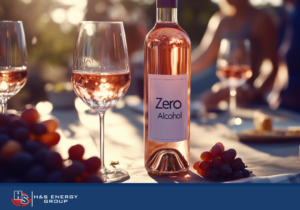
A noticeable shift is happening in the way adults think about alcohol—and it’s not just a passing fad. More consumers are drinking less, choosing non-alcoholic alternatives more often, or skipping alcohol entirely. Whether this trend towards less alcohol is driven by health goals, changing social habits, financial priorities, or a growing interest in moderation, it’s creating a new reality for the convenience store industry.
 In fact, a recent Gallup survey revealed that just 54% of U.S. adults report drinking alcohol, marking the lowest percentage recorded in decades and a significant drop compared to prior years. That’s a major signal for retailers—especially convenience stores—because beverage sales are one of the most competitive and profitable categories in the entire store.
For convenience store operators, the new trend isn’t just a cultural shift—it’s a strategic one. It will impact what customers buy, how often they visit, what they expect to see in coolers, and how store managers should plan for long-term success over the next 3–5 years.
The good news? This change doesn’t have to mean lost revenue. It can mean new growth.
Consumers Still Want “Something Good”—Just Not Always Alcohol
Convenience stores have always been designed around quick decisions: grab a drink, grab a snack, and keep moving. For years, beer and ready-to-drink alcoholic beverages have been dependable options for after-work stops, weekend plans, and impulse purchases.
But as the trend towards less alcohol continues, many customers still want a beverage that feels rewarding, refreshing, or even social—they just don’t want the alcohol attached to it. This is especially true among younger adults who are increasingly drawn to products that support energy, mood, performance, hydration, and wellness.
That shift is fueling rapid growth in beverage categories like:
- Non-alcoholic beer and “zero-proof” beverages that still feel like a treat
- Mocktails and premium alcohol-free mixers for social occasions
- Functional beverages designed for energy, focus, calm, digestion, or recovery
- Better-for-you sodas and sparkling drinks with reduced sugar and modern branding
- Enhanced waters and electrolyte drinks for active and health-conscious consumers
In other words, customers aren’t cutting out beverages—they’re upgrading them.
What This Means for Convenience Stores Over the Next 3–5 Years
As alcohol becomes less central to consumer routines, convenience stores will need to evolve to stay aligned with demand. Here are the biggest changes c-store managers should plan for now.
1. Cooler Space Will Shift Toward New High-Performing Categories
Cold space is some of the most valuable real estate in a convenience store. Traditionally, alcohol has claimed a strong share of that space in many locations. But the trend towards less alcohol means non-alcoholic options are no longer an afterthought—they’re becoming a destination category.
Smart operators will begin asking:
- Which SKUs are truly moving week after week?
- Which products are becoming dead space?
- Where can we make room for faster-turning, higher-demand items?
The stores that win will be the ones that treat their beverage set like a living strategy—not a static planogram.
2. “Adult Beverages” Are Being Redefined
A big shift tied to the trend towards less alcohol is that “adult” no longer automatically means “alcoholic.”
Consumers still want bold flavors, premium packaging, and elevated experiences. They just want options that fit into real life—whether that’s driving home, waking up early tomorrow, staying fit, or simply avoiding the side effects of drinking.
That opens the door for c-stores to serve customers who want something more exciting than a soda, but don’t want alcohol at all.
3. Functional Beverages Will Continue to Gain Market Share
Energy drinks and bottled coffee aren’t going anywhere. But what’s changing is the why behind beverage purchases.
Increasingly, customers are choosing drinks based on what they want to feel:
- More awake
- More hydrated
- Less stressed
- Less bloated
- More focused
This is where functional beverages shine. And as the trend towards less alcohol grows, functional beverages will often become the replacement for “relaxation drinks” that used to be alcohol-based.
4. Merchandising Will Matter More Than Ever
With more beverage variety comes a new challenge: helping customers find what they want fast.
Instead of isolating non-alcoholic drinks in a random corner, stores can increase sales by integrating them into high-traffic areas—especially near:
- Grab-and-go food zones
- Snack pairings
- Checkout coolers
- Meal solutions and quick dinners
The goal is simple: make the decision easy. When the shopping experience feels modern and intuitive, customers buy more.
5. This Trend Impacts More Than Drinks—It Impacts Store Identity
As the trend towards less alcohol consumption continues, some customers will visit convenience stores for different reasons. They’ll come in looking for healthier options, functional drinks, premium “treat” beverages, and products that match their lifestyle.
Stores that keep evolving with consumer expectations won’t just maintain traffic—they’ll grow it. And in a competitive market, being known as the store that “always has the good stuff” matters.
The Bottom Line: Adaptation Protects Profitability
The convenience store industry has always been built on one thing: staying relevant. The stores that thrive are the ones that pay attention early, adjust quickly, and meet customers where they are—without losing what makes convenience retail successful in the first place.
The trend towards less alcohol is reshaping beverage demand, and the next 3–5 years will reward store operators who modernize their product mix, optimize cooler space, and embrace new categories that customers actually want.
Ready to Future-Proof Your C-Store?
If you want expert guidance on adapting to changing consumer behavior, optimizing your beverage strategy, and staying profitable as the market evolves, contact H&S Energy. Our team is here to help you make smart, forward-thinking decisions that support long-term success in managing your C-store.