



Summer is one of the busiest and most profitable seasons for convenience stores, but it also creates unique operational challenges. Managing C-store summer staffing effectively is critical to maintaining excellent customer service, improving efficiency, and supporting sustainable growth during peak traffic. From vacation schedules to increased fuel and foodservice demand, store managers must prepare their teams to perform at a high level while protecting employee morale and operational consistency.
At H&S Energy, we believe successful summer operations begin with proactive leadership, operational expertise, and a commitment to supporting store teams. In our experience, stores that plan early and invest in workforce efficiency are far more likely to maximize profitability while delivering the clean, safe, and friendly experience customers expect.
How can convenience stores manage summer staffing challenges?
Convenience stores can manage summer staffing challenges by forecasting seasonal demand early, cross-training employees, improving scheduling flexibility, offering retention incentives, and leveraging operational technology to increase efficiency. Effective C-store summer staffing strategies help maintain customer service standards, reduce burnout, and improve operational reliability during the busiest travel months.
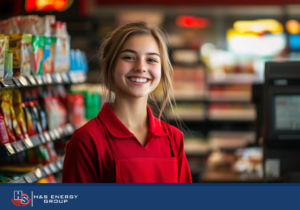 Why Is Summer Staffing More Difficult for C-Stores?
Summer often creates a perfect storm of operational pressure for convenience stores. Increased travel activity leads to higher fuel sales, more in-store traffic, and greater demand for prepared foods and beverages. At the same time, many employees request vacation time, students enter and leave the workforce temporarily, and labor competition intensifies across retail and hospitality industries.
For store managers, this means balancing customer expectations with limited labor availability. In our experience, locations that wait until summer begins to address staffing needs often struggle with scheduling gaps, employee fatigue, and inconsistent service levels.
Common summer staffing challenges include:
- Employee vacations and reduced availability
- Seasonal hiring competition
- Higher turnover among temporary workers
- Increased customer traffic and transaction volume
- Longer operating hours during peak travel periods
- Pressure to maintain site cleanliness and food safety standards
These challenges can become opportunities for growth when store leaders develop proactive staffing strategies focused on reliability, efficiency, and team support.
Start Planning for C-Store Summer Staffing Early
One of the most effective ways to improve C-store summer staffing outcomes is to begin planning several months in advance. Our team recommends reviewing historical sales data, fuel trends, and customer traffic patterns from previous summers to anticipate labor needs before peak season arrives.
Managers should identify:
- Peak business hours and busiest days of the week
- Expected vacation requests
- Areas where additional training may be needed
- Potential labor shortages in specific roles
- Hiring timelines for seasonal employees
Stores that prepare early can recruit stronger candidates, avoid emergency staffing situations, and maintain smoother day-to-day operations throughout the season.
How Does Cross-Training Improve Summer Staffing Efficiency?
Cross-training employees is one of the smartest investments a convenience store can make before summer begins. When team members understand multiple operational areas, managers gain greater scheduling flexibility and reduce the risk of service disruptions.
For example, a cashier trained in foodservice preparation or inventory management can step into critical roles during busy periods or unexpected absences. This flexibility helps stores maintain operational reliability while reducing stress on the rest of the team.
Cross-training also benefits employees by building confidence and creating opportunities for professional growth. In our experience, employees who feel valued and capable of contributing in multiple ways are more likely to remain engaged and committed throughout the demanding summer season.
Use Flexible Scheduling to Support Employee Retention
Summer scheduling conflicts are common, especially among employees balancing family responsibilities, vacations, or school schedules. Stores that provide reasonable flexibility often experience stronger retention and better morale.
Effective scheduling strategies may include:
- Publishing schedules further in advance
- Allowing shift swaps with management approval
- Offering split shifts during peak periods
- Providing flexible part-time opportunities
- Adjusting staffing levels based on traffic forecasts
Managers who communicate clearly and work collaboratively with employees create stronger team loyalty and reduce the likelihood of burnout during high-volume months.
Why Employee Retention Matters During Peak Season
Hiring new employees during the summer can be expensive and time-consuming. Retaining experienced staff is often far more cost-effective than constantly recruiting and training replacements.
Our team has found that recognition, communication, and workplace culture play major roles in employee retention. Small efforts can make a significant difference, including:
- Recognizing employees for exceptional performance
- Providing clear operational expectations
- Creating a supportive and respectful work environment
- Offering performance incentives or attendance bonuses
- Ensuring teams have the tools needed to succeed
Employees who feel appreciated are more likely to deliver the friendly customer service that strengthens local loyalty and enhances the store experience.
Technology Can Help Solve Summer Staffing Challenges
Modern convenience store technology can significantly improve operational efficiency during busy seasons. From scheduling software to inventory management systems, technology allows managers to streamline operations and make smarter staffing decisions.
For example, labor management tools can help forecast staffing needs based on sales trends, while self-checkout solutions may reduce pressure during peak traffic periods. Automated inventory systems can also help prevent stock shortages during busy weekends and holiday travel periods.
At H&S Energy, we believe innovation and operational expertise work together to create more reliable and profitable store environments. Technology should support employees, improve efficiency, and allow managers to focus more attention on customer experience and team leadership.
Build a Stronger Summer Strategy With H&S Energy
Managing C-store summer staffing successfully requires more than simply filling shifts. It involves strategic planning, operational leadership, employee support, and a commitment to creating efficient store environments that can thrive during high-demand periods.
At H&S Energy, we understand the operational challenges convenience store owners and managers face during peak travel season. Whether you are growing your network, optimizing store performance, or exploring new strategies for sustainable growth, our team is committed to helping partners achieve operational excellence.
Contact H&S Energy today to learn how our industry expertise, innovative solutions, and operational support can help your convenience store team reach its full potential during the busy summer season.
Frequently Asked Questions
Why is summer a difficult staffing season for convenience stores?
Summer creates increased customer traffic while many employees request vacation time or have changing availability. This combination can make scheduling and retention more difficult for convenience store managers.
What is the best way to improve C-store summer staffing?
Early planning, employee cross-training, flexible scheduling, and retention-focused leadership are some of the most effective ways to improve summer staffing efficiency in convenience stores.
How can technology help convenience store staffing?
Technology can help forecast labor needs, streamline scheduling, improve inventory management, and reduce operational inefficiencies during busy seasonal periods.