


Halloween can create a unique sales opportunity for convenience stores as customers make last-minute stops for candy, beverages, snacks, party supplies, fuel, and forgotten essentials. Preparing for Halloween convenience store sales means anticipating those needs while also preparing your team for a potentially busier-than-usual evening.
At H&S Energy, we know that successful convenience retailing often comes down to being ready when customers need you most. Halloween is a perfect example: a little preparation can help stores turn seasonal traffic into stronger sales while maintaining the clean, safe, friendly experience customers expect.
How Can Convenience Stores Prepare for Halloween Night Traffic?
Convenience stores can prepare for Halloween by stocking high-demand candy, beverages, snacks, and last-minute party essentials; creating easy-to-shop seasonal displays; scheduling enough employees for peak hours; preparing for increased fuel and checkout traffic; and reviewing store, parking lot, and employee safety procedures before Halloween evening arrives.
Why Can Halloween Be an Important Night for Convenience Stores?
Halloween brings several types of convenience store customers together at once. Parents may stop for fuel or refreshments while taking children trick-or-treating. Partygoers may need beverages, ice, snacks, or forgotten supplies. Customers who underestimated their candy supply may suddenly need another bag or two. Other shoppers may simply want a quick meal or snack before heading to an event.
The common denominator is convenience. These customers often aren’t planning a major shopping trip. They want to get what they need quickly and continue with their evening.
That creates an opportunity for c-stores to do what they do best: provide fast, convenient access to products people need right now.
What Products Should C-Stores Stock for Halloween?
Strong Halloween convenience store sales begin with having the right products available. Operators should review previous seasonal sales, current inventory, and local buying patterns rather than simply filling the store with Halloween-themed merchandise.
Depending on the location and customer base, high-demand categories may include:
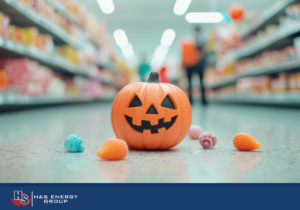 Individually wrapped and multipack candy
- Chocolate and popular snack-size treats
- Bottled water and sports drinks
- Soft drinks and energy drinks
- Ice
- Chips, popcorn and salty snacks
- Grab-and-go food
- Disposable cups, plates and napkins
- Batteries and flashlights
- Basic party supplies
Think beyond traditional Halloween merchandise. A customer hosting a party may be more interested in ice, beverages, and snacks than decorations. A parent rushing home before trick-or-treating begins may be looking for a quick dinner solution. Someone heading to a Halloween event may need fuel, an energy drink, and something to eat.
Understanding the mission behind the customer’s visit helps operators make better merchandising decisions. The goal isn’t simply to sell Halloween products. It is to solve the customer’s immediate problem.
How Should Halloween Products Be Merchandised?
Halloween shoppers are frequently in a hurry, so seasonal merchandise should be highly visible and easy to purchase.
A dedicated Halloween display near the entrance or checkout area can help customers immediately find candy and seasonal items. Cross-merchandising can also encourage additional purchases. For example, operators might merchandise party-size snacks near beverages or position ice and drink promotions together.
Checkout areas are particularly valuable for smaller impulse items. Customers who came in for fuel, coffee, or another routine purchase may add candy or snacks when those products are prominently displayed.
Our team recommends keeping displays simple enough that employees can replenish them efficiently throughout the day. An impressive display doesn’t help sales if the most popular products are gone by early evening and inventory remains sitting in the back room.
When Should Stores Schedule Additional Halloween Staffing?
Staffing should reflect the traffic patterns of the individual store, but operators should pay particular attention to the late afternoon and evening hours when school lets out, commuters head home, parties begin, and trick-or-treating gets underway. Historical transaction data can help managers identify when traffic increased during previous Halloween periods. Operators can also consider the day of the week, nearby community events, and neighborhood trick-or-treating schedules.
Having adequate staffing does more than keep checkout lines moving. Additional team members can replenish merchandise, maintain restrooms, monitor the forecourt, clean high-traffic areas, and help maintain a positive customer experience. Managers should also clearly assign responsibilities before the rush begins. When employees know who is responsible for registers, stocking, cleaning, and other duties, the team can respond more efficiently as traffic changes.
How Can C-Stores Keep Halloween Night Safe?
Halloween introduces some unusual safety considerations. Stores may see more pedestrians, children, costumes, and nighttime activity around their properties than on a typical evening. Operators should inspect exterior lighting before Halloween and ensure sidewalks, entrances, and parking areas are well-lit. Walkways should remain clear, and employees should quickly address spills or other hazards.
The forecourt deserves special attention because drivers may be navigating around pedestrians who are harder to see after dark. Clear signage, good lighting, and a clean, unobstructed property can all contribute to a safer environment.
Inside the store, employees should be reminded to follow normal security and cash-handling procedures even during busy periods. Costumes can also present unusual visibility or identification challenges, making consistent procedures especially important.
At H&S Energy, we believe clean and safe locations are fundamental to a strong customer experience. Seasonal sales opportunities should never come at the expense of employee or customer safety.
How Can Operators Prepare for Last-Minute Halloween Shoppers?
One of the most valuable characteristics of a convenience store is its ability to solve an immediate need. Halloween puts that advantage on full display. Consider the customer who runs out of candy after trick-or-treating has already started. That shopper isn’t likely to spend time comparing several retailers. They want a nearby store with candy in stock.
Operators can prepare by checking critical inventory earlier in the day and again before evening traffic begins. High-demand products should be moved into positions where employees can restock them quickly. Digital channels can help, too. If a location uses social media, its website, or a loyalty app to communicate with customers, Halloween can be an opportunity to remind the community that the store has candy, snacks, beverages, fuel, and other last-minute necessities available.
Can Halloween Traffic Create Sales After the Holiday?
Yes. Seasonal traffic can introduce new customers to a location and reinforce existing habits among regular customers.
A shopper who visits because they urgently need Halloween candy may also notice a strong coffee program, fresh food, a clean store, an efficient checkout experience, or another reason to return. This is why we view seasonal traffic as more than a one-night sales opportunity. Every visit is an opportunity to demonstrate reliability and build loyalty.
Operators with loyalty programs can also use seasonal promotions to encourage future visits. The objective should be straightforward: provide immediate value without complicating the transaction for a customer who may already be in a hurry.
What Should Managers Do Before Halloween?
A simple operational checklist can help managers make sure important details aren’t overlooked:
- Review last year’s Halloween sales and transaction patterns.
- Identify candy, beverage, snack, food, and party-supply inventory needs.
- Create seasonal displays before peak traffic begins.
- Confirm staffing for anticipated high-volume hours.
- Assign stocking, cleaning, and checkout responsibilities.
- Inspect exterior, parking lot, and forecourt lighting.
- Clear walkways and customer traffic areas.
- Review security and cash-handling procedures with employees.
- Stock high-demand products before the evening rush.
- Prepare employees to deliver fast, friendly customer service.
Preparation allows managers and employees to spend less time reacting to problems and more time serving customers.
Turn Halloween Traffic Into a Stronger Customer Experience
Successful Halloween convenience store sales aren’t just about putting bags of candy near the register. They come from understanding why customers are visiting, anticipating what they’ll need, and making those purchases as easy as possible.
That means combining smart inventory decisions with effective merchandising, appropriate staffing, efficient operations, and a strong commitment to safety. When all of those pieces work together, a busy seasonal night becomes an opportunity to increase sales and strengthen the store’s relationship with its community.
H&S Energy brings operational expertise, buying power, and a commitment to innovation to the convenience retail industry. Through our retail and convenience store solutions, we work with operators to identify sustainable avenues for growth and build stronger, more efficient locations.
Whether you’re improving an existing operation, developing a new location, or looking for a partner to help your business reach its full potential, our team is ready to explore the opportunities ahead.
Frequently Asked Questions
What sells well at convenience stores on Halloween?
Candy is an obvious Halloween seller, but convenience stores should think beyond traditional treats. Beverages, ice, salty snacks, energy drinks, grab-and-go food, batteries, and basic party supplies can all address last-minute customer needs. The right inventory mix depends on the location and its customers, so operators should use historical sales and local traffic patterns when planning seasonal inventory.
When should a convenience store prepare for Halloween traffic?
Inventory, staffing, and merchandising plans should be established well before Halloween, while final operational checks should take place during the days leading up to the holiday. On Halloween itself, managers should check inventory and replenish high-demand products before late-afternoon and evening traffic begins. Exterior lighting, walkways, parking areas, and staffing assignments should also be reviewed before nighttime traffic increases.
How can convenience stores increase Halloween impulse sales?
Make relevant products easy to see and easy to buy. Place popular candy and smaller seasonal items near checkout areas, use visible seasonal displays, and cross-merchandise complementary products such as beverages, ice, and party snacks. Stores should also keep displays stocked throughout the day. Effective impulse merchandising removes friction and reminds customers of useful items without slowing down a quick convenience-store visit.