



Every square foot of a convenience store should help customers shop quickly and confidently. Well-planned c-store endcap displays turn high-traffic aisle space into a powerful merchandising tool, directing attention to timely products, encouraging add-on purchases, and helping operators grow each basket without slowing the customer journey.
How Can C-Store Endcap Displays Increase Sales?
C-store endcap displays increase sales by placing relevant, easy-to-grab products in highly visible locations at the ends of aisles. The strongest displays feature a focused product story, simple pricing, complementary items, disciplined stocking, and a clear reason to buy now. Operators can improve results by measuring sales, margin, and inventory movement, then refining the display regularly.
Why Do Endcaps Deserve a Merchandising Strategy?
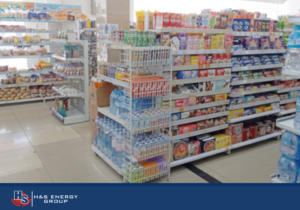 Convenience customers often enter with a short list and limited time. Endcaps interrupt that routine in a helpful way: they expose shoppers to an offer before they turn into an aisle or while they move toward checkout. Because shoppers can see these displays from several directions, endcaps can introduce products that might receive less attention on a standard shelf.
Visibility alone does not create a productive endcap. In our experience, an endcap performs best when it solves an immediate need. It might help a commuter assemble breakfast, offer road-trip snacks, or remind a shopper to add batteries before a storm.
Which Products Belong on an Endcap?
Our team recommends selecting products based on the customer’s mission, season, store traffic, margin potential, and available inventory. High-demand items can attract attention, while complementary products can increase basket value. For example, an endcap near packaged beverages might pair salty snacks with a clearly communicated multi-buy offer. A coffee-adjacent endcap could feature breakfast bars, pastries, or portable protein snacks.
Strong endcap candidates often include:
- Seasonal necessities tied to weather, travel, or local events
- New products that need visibility and customer trial
- Complementary items that support a simple meal or occasion
- High-margin impulse products with broad customer appeal
- Promotional products supported by vendor funding or loyalty offers
Avoid filling an endcap with unrelated surplus inventory. Too many categories force customers to work harder to understand the offer, reducing clarity and weakening the display’s visual impact.
How Should C-Store Endcap Displays Be Designed?
Start with one message that customers can understand in seconds. Use a concise headline, a prominent price, and a single visual theme. Face merchandise forward, keep labels visible, and make products look abundant without appearing crowded. Signs should never obscure products or create visual clutter.
Place priority products between waist and eye level when the fixture allows, then use lower shelves for larger or heavier items. Keep products easy to reach and avoid packaging that extends into walking paths. A clean and safe presentation supports customer trust while protecting efficient movement through the store.
Managers should inspect the view from the entrance, checkout, beverage area, and both directions of the main aisle. A display may disappear behind another fixture when viewed from the path customers actually follow.
How Often Should an Endcap Be Refreshed?
Refresh timing should follow performance, inventory, promotional dates, and customer demand—not an arbitrary calendar alone. Some limited-time offers require a short, energetic run, while an evergreen pairing may remain productive longer. What matters is preventing the display from becoming invisible through familiarity.
We have found that a simple operating routine protects both presentation and profitability. Assign responsibility for checking price accuracy, stock levels, cleanliness, and the presence of expired promotional materials during each shift. Establish a documented reset date so teams know when to replace signage and transition products. Consistent execution across locations also strengthens brand recognition and makes performance easier to compare.
Which Metrics Reveal Whether an Endcap Works?
Measure results before, during, and after each promotion. Unit sales are useful, but they do not tell the whole story. Review gross margin dollars, sell-through, transaction count, average basket, out-of-stocks, and waste when applicable. Compare results with the product’s ordinary shelf performance or with a similar period, while accounting for price changes, holidays, and unusual traffic.
Test one meaningful variable at a time—such as the product mix, offer, sign, or location—so the result can guide the next decision. Combine point-of-sale data with employee observations to create a practical cycle of testing and improvement.
Build More Productive Endcaps With H&S Energy
Optimizing c-store endcap displays is not a one-time decorating project. It is an ongoing retail discipline that connects customer needs, inventory management, employee execution, and financial performance. When every endcap has a purpose and every result is measured, operators can turn limited space into sustainable growth.
H&S Energy brings operational expertise, established buying power, ongoing training, and a complete convenience-store strategy to owners who want to reach their full potential. Whether you are improving an existing location, rebranding, or building from the ground up, contact our team to explore how we can help you create efficient, friendly, and profitable stores.