



The difference between a high-performing c-store site and a stagnant one often comes down to the subtle science of inventory selection. We have found that many operators fall into the “set it and forget it” trap with their shelves, missing out on significant margin opportunities. Establishing a robust c-store merchandising strategy is not just about filling space; it is about curating a “clean and safe” destination that meets the evolving needs of the modern driver.
What is the most effective c-store merchandising strategy for increasing profit?
The most effective c-store merchandising strategy involves a data-driven approach to product mix that prioritizes high-margin categories like fresh food and coffee while eliminating “dead” inventory. By analyzing local demographics and sales trends, operators can optimize shelf space for impulse buys and seasonal shifts, ensuring every square foot of the store contributes to sustainable growth and operational excellence.
 The Cost of Stagnant Shelves: Common Inventory Pitfalls
When we look at site performance across our network, we see that stagnant inventory is the silent killer of ROI. Many managers rely on outdated basic product mixes that do not reflect current consumer behavior. Based on client results, we recommend a frequent audit of slow-moving SKUs to free up capital for more innovative, high-demand products.
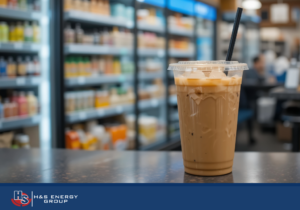
One common mistake is over-stocking low-margin commodities while neglecting the power of operational expertise in category management. For example, failing to adjust your c-store merchandising strategy for seasonal shifts—like missing the window for iced coffee trends in summer—directly impacts your bottom line.
3 High-Margin Categories to Prioritize
To reach your full potential, your product mix must focus on the captains of profitability. Our team recommends focusing on these three pillars:
- The Coffee Program: We believe coffee remains one of the highest-margin categories. A successful c-store merchandising strategy ensures the coffee station is clean and safe, inviting repeat morning traffic.
- Fresh and Made-to-Order Food: Moving beyond pre-packaged snacks to fresh options drives higher in-store spend. We have found that customers view these stores as “one-stop energy destinations.”
- Proprietary or Branded Loyalty Items: Customers seek and return for high-quality proprietary brands like Power Market’s Papa Sals packaged and hot foods. In addition, using real-time data to stock items that trigger loyalty program redemptions increases basket size.
Strategic Layout and Impulse Visibility
Our vision for a winning store includes an intuitive layout that guides customers on a journey of discovery. A frequent mistake is placing high-demand items in locations that don’t encourage impulse buys. We strive to add value by using endcaps to maximize visibility, especially for limited-time offers that create a sense of urgency.
A well-executed c-store merchandising strategy uses cleanliness as a merchandising tool. A cluttered or dirty shelf sends a message of cheap service, whereas an organized, well-lit display signals excellence and reliability.
Using Sales Data for Inventory Decisions
We are innovative and tech-forward, which means we encourage our managers to lead with data rather than intuition. Using sales data to inform inventory decisions lets you identify shrinkage and address it before it eats your margins. We provide our team with the tools to track labor hours against category performance, ensuring the lowest possible labor cost for our inventory.
Whether you are building from the ground up or converting an existing location, our team provides the operational expertise to refine your mix. We view every shelf-space challenge as an opportunity for growth.
Frequently Asked Questions
How often should I update my c-store merchandising strategy?
We recommend a formal review of your product mix at least once per quarter. This allows you to stay ahead of seasonal trends, such as holiday traffic spikes or summer beverage demand, ensuring your inventory remains relevant and high-margin.
What is the biggest mistake in c-store merchandising?
The biggest mistake is stuffing your shelves with too many low-margin items that don’t move. Focusing on basic inventory rather than a curated, sustainable growth approach limits your ability to drive higher ticket sizes through upselling and impulse purchases.