



The convenience store landscape is undergoing a radical transformation. No longer just a pitstop for fuel and a pack of gum, the modern c-store has evolved into a competitive foodservice destination. As fuel margins remain thin, operators are looking toward higher-margin categories to drive profitability. One of the most significant—and debated—investments in this pursuit is made-to-order food c-store programs.
At H&S Energy Group, we’ve watched this trend accelerate across the West Coast. From our proprietary Papa Sal’s brand to our extensive Power Market fresh food offerings, we understand that transitioning from “roller grill” to “made-to-order” is a major operational shift. But is it right for your specific location? Let’s break down the realities of the investment.
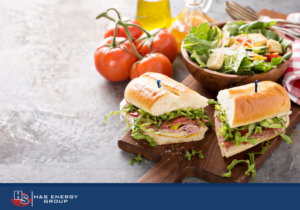 The Strategic Shift: Why “Fresh” is the New “Convenient”
For decades, the “grab-and-go” model defined the industry. While packaged snacks and pre-wrapped sandwiches still have their place, consumer expectations have shifted toward quality, customization, and transparency.
Driving Inside Sales and Foot Traffic
A robust made-to-order food c-store program acts as a primary “trip driver.” While a customer might stop for fuel out of necessity, they will choose a specific store because they know they can get a high-quality, customized breakfast burrito or a fresh deli sandwich. This increases the basket size, as food customers are statistically more likely to purchase a beverage and a snack to accompany their meal.
Higher Margins vs. Higher Overhead
Foodservice typically offers significantly higher gross profit margins than fuel or even some dry grocery items. However, those margins are often offset by labor costs and waste. Success in made-to-order requires a disciplined approach to product placement and inventory management to ensure that the increased revenue isn’t swallowed by operational inefficiencies.
The Core Challenges of Made-to-Order
Before investing in kitchen equipment and digital ordering kiosks, c-store managers must be realistic about the hurdles.
1. Labor and Training
Unlike stocking a shelf, made-to-order food requires skilled labor. You aren’t just hiring a cashier; you are hiring a food service professional. At H&S Energy, we emphasize that our team members should be well-trained to maintain the high standards of cleanliness and safety that customers expect.
2. Food Safety and Compliance
The regulatory environment changes the moment you begin preparing food on-site. This involves strict adherence to health department codes, regular inspections, and rigorous cleaning schedules. Our commitment to providing the cleanest and safest convenience stores is a foundational part of our foodservice strategy.
3. Equipment and Footprint
Kitchen equipment—ovens, fryers, prep tables, refrigeration, and ventilation—requires a financial investment. C-store managers should evaluate whether the investment in equipment and the square footage required will generate the revenue to be profitable. That’s where our experienced team at H&S Energy can help!
Implementation Strategies: Making the Investment Pay Off
If you decide to move forward, a “halfway” approach rarely works. Success requires a commitment to a full branding strategy.
Leverage Proprietary Brands
One way to mitigate the risk of a made-to-order food c-store program is to lean on established brands. For instance, our Papa Sal’s private label offers everything from grab-and-go snacks to fresh, prepared meals. This provides a consistent quality level that builds customer trust.
Integrate Loyalty and Technology
Modern shoppers want speed. Implementing a mobile app for ordering, like the Power Market App, allows customers to order ahead and earn rewards. Linking food purchases to a rewards program ensures that a one-time food buyer becomes a loyal, repeat customer.
Focus on “Signature” Items
Don’t try to be everything to everyone. The most successful c-store foodservice programs focus on a few “signature” items done exceptionally well. Whether it’s a specific breakfast sandwich or a proprietary coffee blend, having a recognizable, high-quality offering creates a destination effect.
The Verdict: Is It Worth It?
The investment in made-to-order food c-store operations is worth it if your location has the foot traffic and the management discipline to handle the increased complexity. It is not a “set it and forget it” revenue stream. It requires a culture of excellence, a focus on cleanliness, and a willingness to adapt to shifting beverage and food landscapes.
At H&S Energy Group, we believe that the future of the industry lies in these high-touch, high-quality experiences. By building relationships with customers through superior service and products, we ensure our stores remain the preferred choice in a competitive marketplace. Contact our team today to learn more about adding made-to-order menu items to your store’s offerings.